Static Caravans UK: Benefits of Using Caravans for Temporary Staff Accommodation On-Site
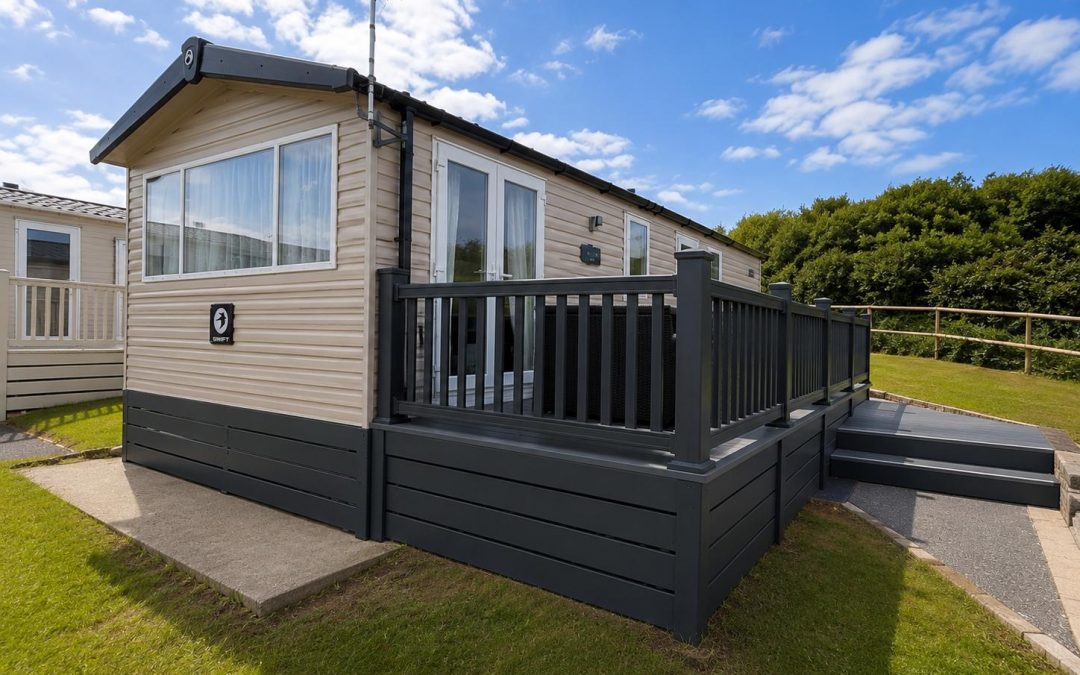
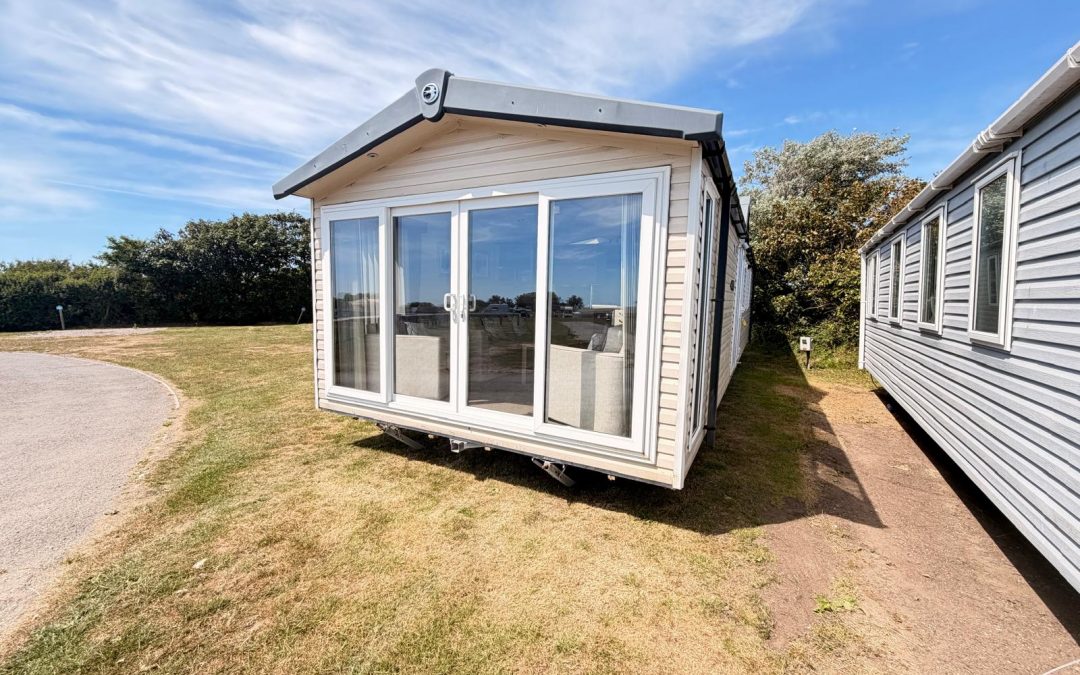
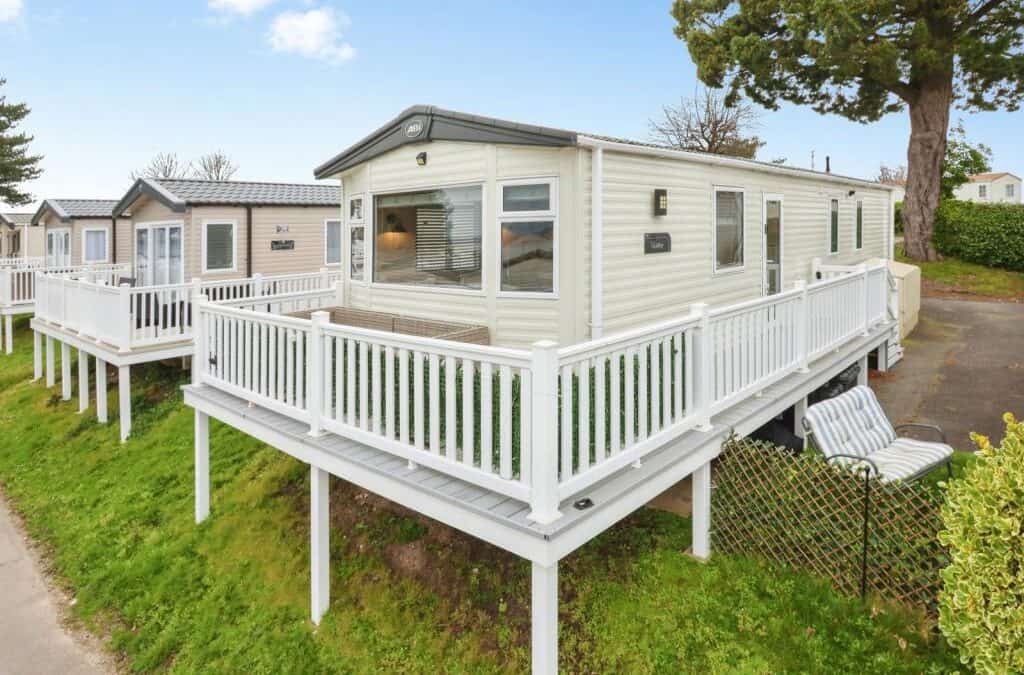
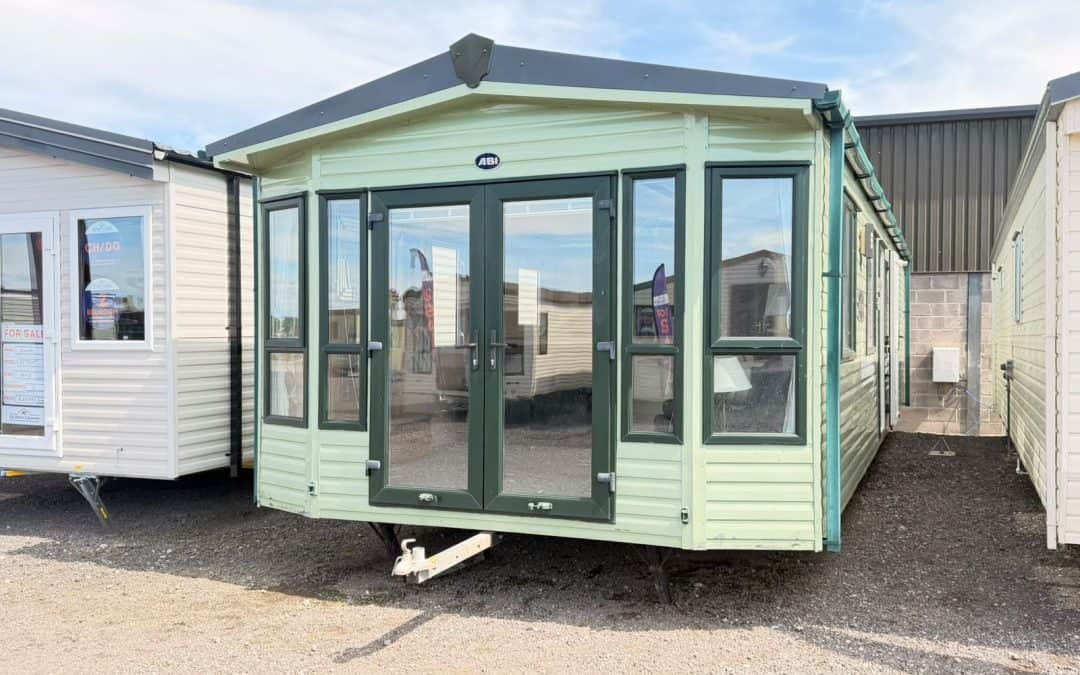
Across the UK, static caravans play a vital role in providing flexible, practical temporary accommodation. From housing displaced families and key workers to supporting construction projects, agriculture, and on-site staff teams, static caravans UK solutions are widely used where short-term or mobile housing is required.
But what happens to static caravans once they are no longer needed for temporary accommodation? And why are they such a popular choice for staff housing in the first place? This article explores the full lifecycle of static caravans in temporary use, their benefits for businesses, and how they continue to provide value long after their initial role ends.
The Role of Static Caravans UK in Temporary Accommodation
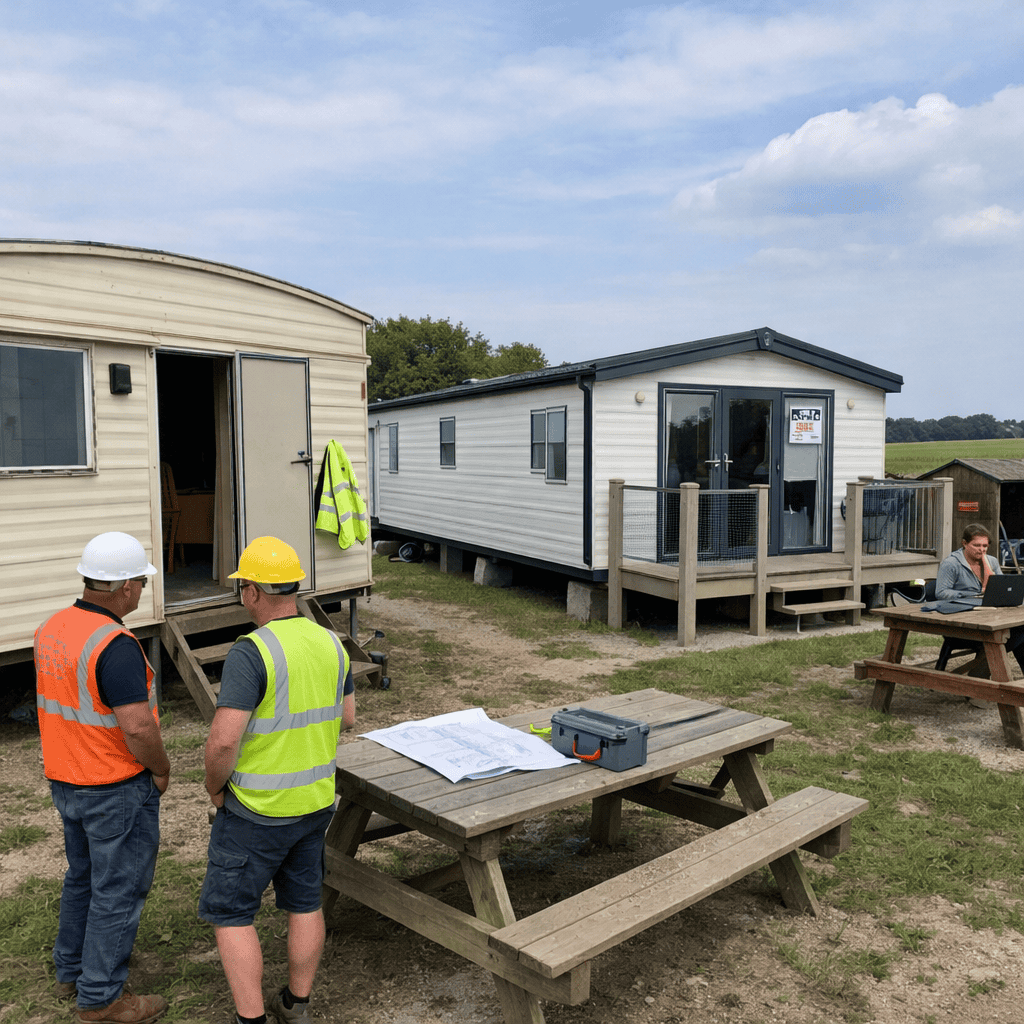
Static caravans are frequently deployed across the UK to meet short-term housing needs. Local authorities, housing providers, and private organisations rely on them for:
- Emergency and temporary housing
- On-site staff accommodation
- Construction and infrastructure projects
- Agricultural and seasonal labour
- Remote or hard-to-access locations
While they are rarely intended as permanent housing, static caravans offer a fast, adaptable solution when traditional accommodation is unavailable or impractical.
Benefits of Using Static Caravans for On-Site Staff Accommodation
One of the fastest-growing uses of static caravans UK wide is temporary staff accommodation. Businesses across multiple industries choose caravans for several key reasons.
Convenient On-Site Living
Housing staff directly on-site reduces travel time and improves availability. This is particularly valuable for construction projects, remote operations, emergency contracts, and seasonal work.
Cost-Effective Solution
Compared to hotels or rental properties, static caravans provide a more affordable option, especially for long-term or large teams. Caravans can also be reused across multiple projects, making them a smart long-term investment.
Comfortable, Fully Equipped Spaces
Modern static caravans can include heating, insulation, kitchens, bathrooms, sleeping areas, and lounge spaces. This ensures staff have a comfortable place to rest and recharge after work.
Flexible and Relocatable
Static caravans are easy to relocate between sites, making them ideal for businesses managing changing locations or phased projects.
Improved Staff Welfare and Productivity
Providing secure, private accommodation helps staff rest properly, improving morale, productivity, and overall safety on-site.
Quick Setup
Unlike building temporary housing, static caravans can be delivered and installed quickly, making them ideal for urgent or short-notice accommodation needs.
What Happens to Static Caravans After Temporary Use?
Once a static caravan has finished its role as temporary accommodation, it rarely reaches the end of its usefulness. Its next step depends on condition, age, and compliance with current standards.
Condition Assessment
After removal from service, caravans are assessed for:
- Structural integrity of the chassis, walls, and roof
- Damp, wear, and deterioration from year-round use
- Electrical and plumbing systems
- Compliance with safety and habitation regulations
Although caravans used for temporary accommodation experience higher wear than holiday units, many remain structurally sound.
Refurbishment, Relocation, and Continued Use
If viable, refurbishment can significantly extend a caravan’s lifespan. This may include:
- Replacing flooring, kitchens, bathrooms, and furnishings
- Improving insulation and heating
- Updating electrics and plumbing
- Reconfiguring layouts for comfort or accessibility
Refurbished units may be redeployed as temporary accommodation elsewhere, used for staff housing, sold to private landowners, or offered as a lower-cost alternative to new static caravans for sale. For many projects, refurbished caravans provide excellent value within the static caravans UK market.
Recycling and Responsible Decommissioning
When refurbishment is no longer practical, responsible dismantling is essential. Static caravans must be decommissioned in line with environmental and waste regulations.
Materials such as metal frames, appliances, and fixtures are often salvaged and recycled, reducing landfill waste and supporting sustainable practices. Proper decommissioning also ensures sites are cleared safely and compliantly for future use.
Alternative and Creative Reuses
Some static caravans find new purposes beyond residential accommodation, including:
- Site offices or welfare units
- Storage units
- Workshops or studios
- Community or charitable projects
These alternative uses allow caravans to remain functional even when they no longer meet residential standards.
The Ongoing Demand for New Static Caravans UK
While older units are refurbished or retired, demand for new static caravans for sale remains strong. New models offer:
- Improved energy efficiency
- Modern layouts suited to full-time occupancy
- Lower maintenance requirements
- Compliance with current safety and building regulations
Many organisations replace older stock with new static caravans UK providers supply, often using trade-in or replacement schemes to manage costs.
Environmental and Regulatory Considerations
Static caravans used as temporary accommodation face stricter regulation than holiday units. Decisions around reuse, refurbishment, or disposal should always consider:
- Local authority and planning requirements
- Waste and recycling regulations
- Energy performance and long-term running costs
A planned, responsible approach ensures compliance while minimising environmental impact.
Final Thoughts
Static caravans UK wide continue to be a reliable, adaptable solution for temporary accommodation and on-site staff housing. When their initial role ends, these units are often refurbished, relocated, repurposed, or responsibly recycled rather than discarded.
At the same time, the availability of new static caravans for sale ensures councils, housing providers, and businesses can meet modern standards and growing demand. By balancing reuse with investment in new stock, organisations can manage costs efficiently while providing safe, comfortable living spaces.