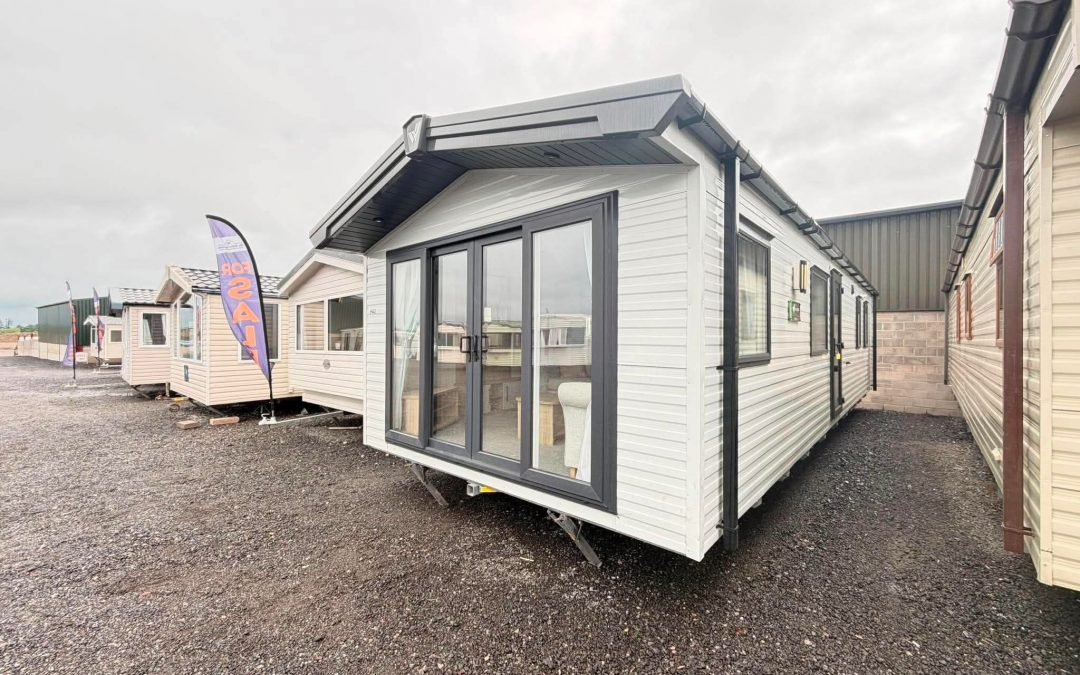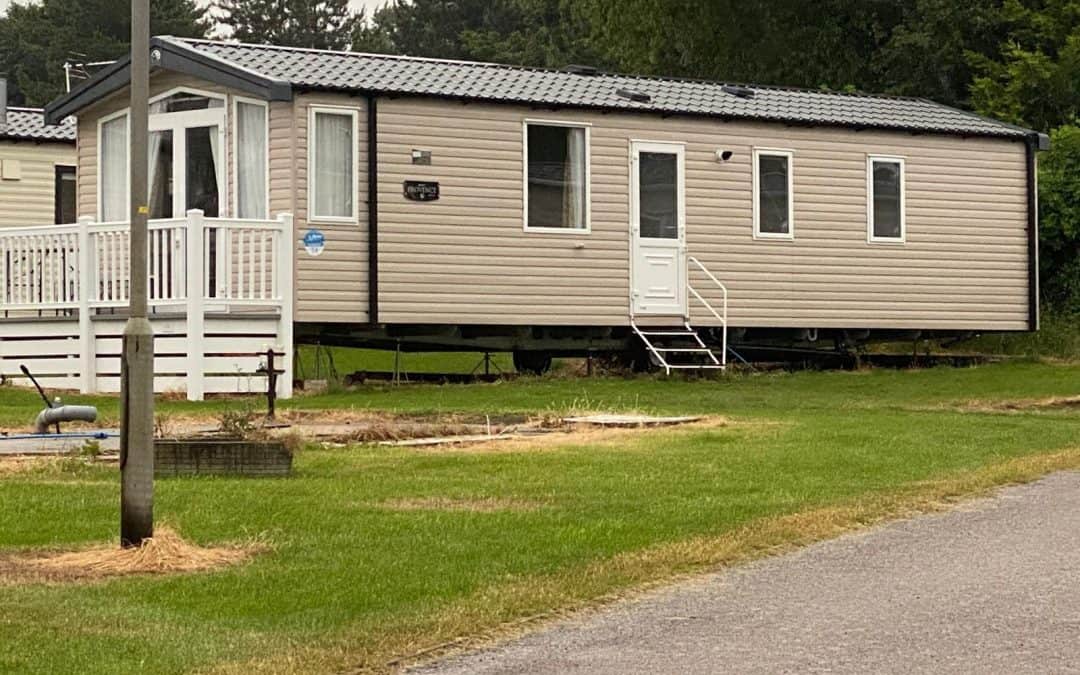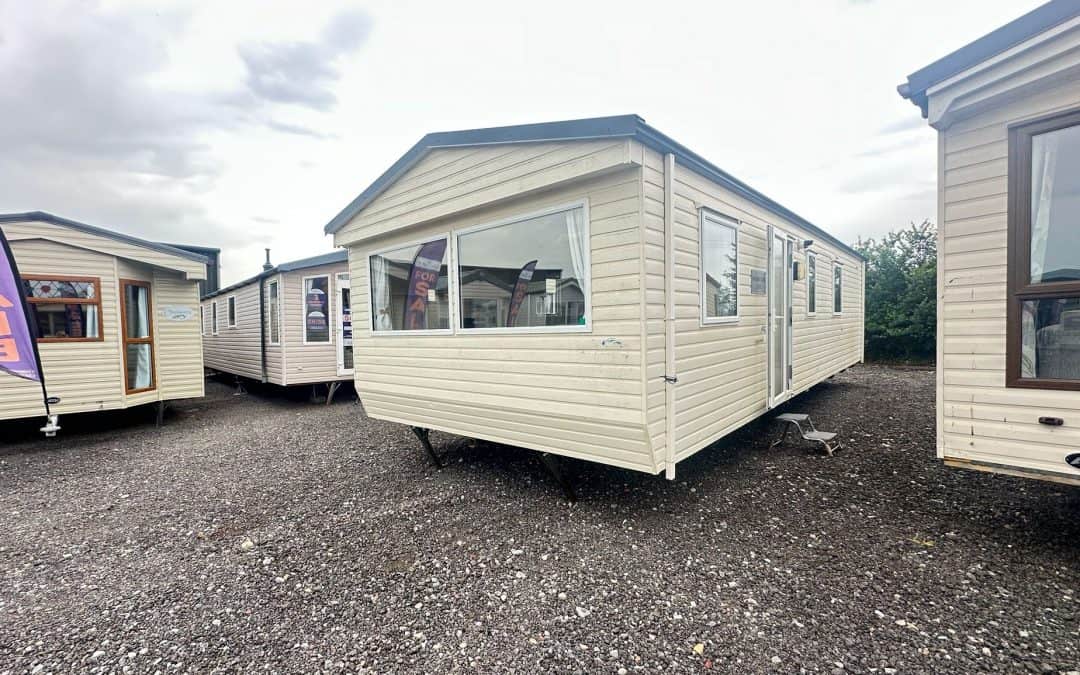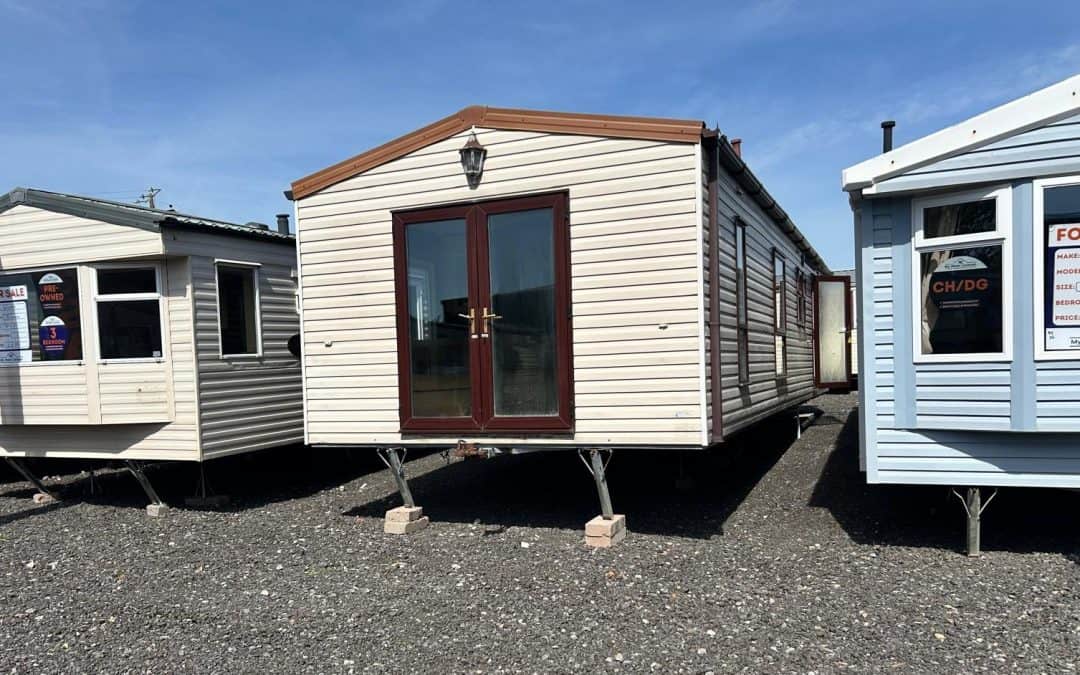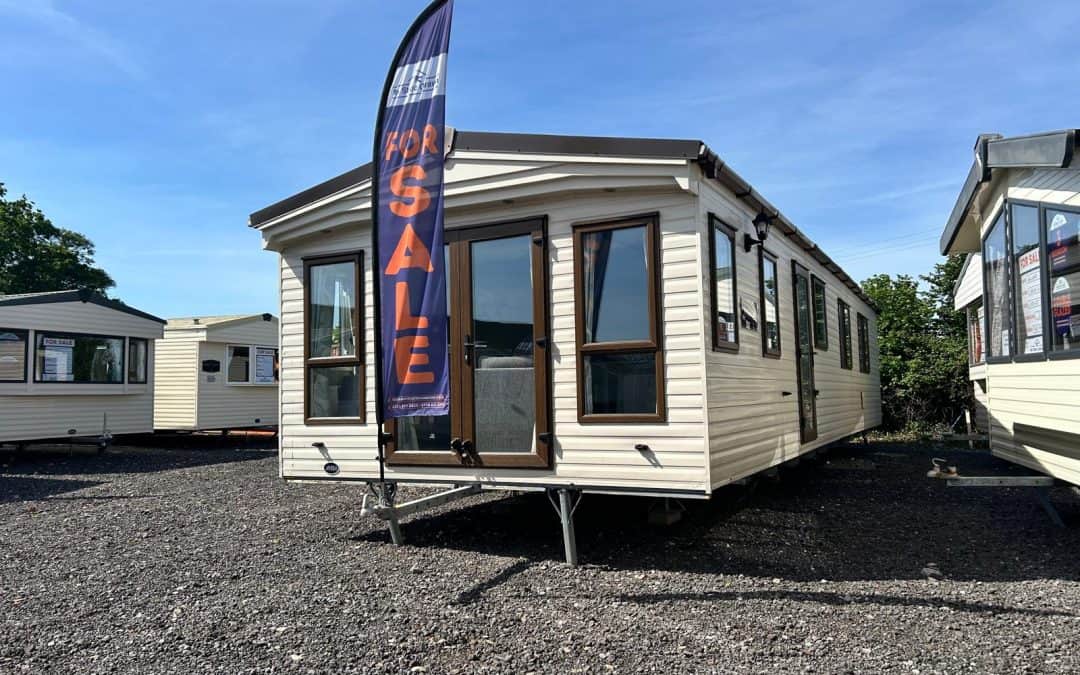

If you’re exploring the world of static caravans, you’ve likely come across the term “the 4 year rule.” This rule is a practical consideration for buyers and park owners alike, affecting everything from resale value to licensing and wear-and-tear expectations. In this post, we’ll unpack what the 4 year rule means, how it applies to static caravans, and what buyers should look for when shopping for new static caravans for sale or static caravans for sale more broadly.
What does the 4 year rule refer to?
The 4 year rule is not a formal piece of legislation that applies universally across all parks or manufacturers. Rather, it’s a commonly observed guideline within the UK leisure industry that relates to a caravan’s depreciation, warranty windows, insurance considerations, and park policies. In many cases, people notice that caravans reach a different value tier, insurance premium category, or service and maintenance requirement around the four-year mark.
For buyers, the key takeaway is that many deals, resale value projections, and park rules are influenced by whether a caravan is under or over four years old. For park operators, it’s a practical milestone that can affect depreciation schedules, service plans, and refurbishment cycles.
How age impacts value and resale
Age is a major factor in any form of holiday home, and static caravans are no exception. Here’s how the four-year threshold commonly affects value and resale considerations:
- Depreciation: Caravans typically lose a significant portion of their value in the first few years. Reaching around four years often means steeper depreciation or a shift in perceived value, depending on the model and condition.
- Demand: New static caravans for sale command higher prices and quicker sales than older units. When a caravan becomes around four years old, some buyers start weighing it against newer stock or refurbished options.
- Warranties: Many manufacturers offer warranties that cover a certain number of years. A four-year mark can be a tipping point for the remaining warranty period or for major components, which influences buyer confidence.
- Insurance: Insurance premiums can change as caravans age. Some policies have different tiers or higher deductibles once a caravan passes the four-year threshold.
What to check if a caravan is approaching or has passed four years
If you’re evaluating static caravans for sale and you notice the unit is nearing or has surpassed four years, consider the following checks:
- Structural integrity: Look for signs of damp, replacing sealants, or scuffed exterior panels. A well-maintained four-year-old caravan can offer excellent value, but neglect can hide expensive problems.
- Chassis and foundation: Ensure the chassis is sound, especially if the caravan will be moved or relocated within a park. Some four-year-old units may have had reinforcements or repairs.
- Electrical systems: Test all outlets, lighting, and the consumer unit. Older wiring may require upgrades for safety compliance.
- Appliances and fittings: Check the condition of kitchen appliances, heating, and plumbing. Replacement costs can add up if major components fail.
- Warranty and service history: Verify what is still covered by the manufacturer or dealer warranty and obtain a service history. A four-year-old unit with a full service history is often more reliable than a newer unit with limited documentation.
- Park rules and fees: Some parks have policies that favor newer stock or impose higher maintenance requirements for older caravans. Always check the specific park’s terms when considering new static caravans for sale or static caravans for sale.
Financing and insurance considerations
The four-year milestone can influence financing options and insurance terms. When you’re buying new static caravans for sale, you may have access to better financing terms, longer warranties, and lower interest rates on newer stock. As a caravan ages, lenders and insurers may adjust terms to reflect risk.
- Financing: Lenders often require a certain loan-to-value ratio and may offer more favorable terms for newer stock. If you’re purchasing a four-year-old unit, be prepared for slightly higher interest rates or stricter conditions.
- Insurance: Insurance providers evaluate depreciation, risk of leaks, and replacement costs. A four-year-old caravan may fall into a different tier, affecting premiums.
Should you buy new static caravans for sale or older units?
There isn’t a one-size-fits-all answer. Here are some practical considerations:
- Budget: If your budget is tight, a well-maintained four-year-old caravan can offer excellent value when compared with new stock, especially if it comes with a robust service history and remaining warranty.
- Usage: For occasional holiday use, an older unit with good maintenance may suffice. If you plan frequent or long stays, investing in newer stock might reduce the risk of unexpected repairs.
- Park expectations: Some parks prefer newer stock to maintain a certain aesthetic or reliability standard. Check the park’s policy on age limits for caravans and any refurbishment requirements.
Tips for buying and maintaining around the four-year mark
- Commission a pre-purchase survey: A professional inspection can reveal hidden issues that aren’t obvious to the untrained eye.
- Prioritise damp and structural checks: Damp is a common and costly problem in caravans. Pay close attention to walls, ceilings, and undercarriage areas.
- Request maintenance receipts: A full service history helps verify that maintenance has been performed to schedule.
- Factor in refurbishment costs: If you’re considering resale value, budget for potential refurbishment or updates to keep the caravan attractive to future buyers.
- Compare with new stock: Always compare features, warranty length, and inclusions with new static caravans for sale to ensure you’re making a fair assessment.
Final thoughts
The so-called 4 year rule for static caravans is a useful guideline rather than a hard-and-fast regulation. It helps buyers understand how age can influence value, warranties, and insurance, and it prompts more thorough due diligence when evaluating static caravans for sale. Whether you’re looking at new static caravans for sale or older units, the key is to assess condition, warranty coverage, and ongoing costs carefully. With mindful inspection and smart budgeting, you can find a caravan that fits your needs and offers solid long-term value. Remember to consult specific park policies and the manufacturer’s warranty details as you navigate the market for static caravans for sale.