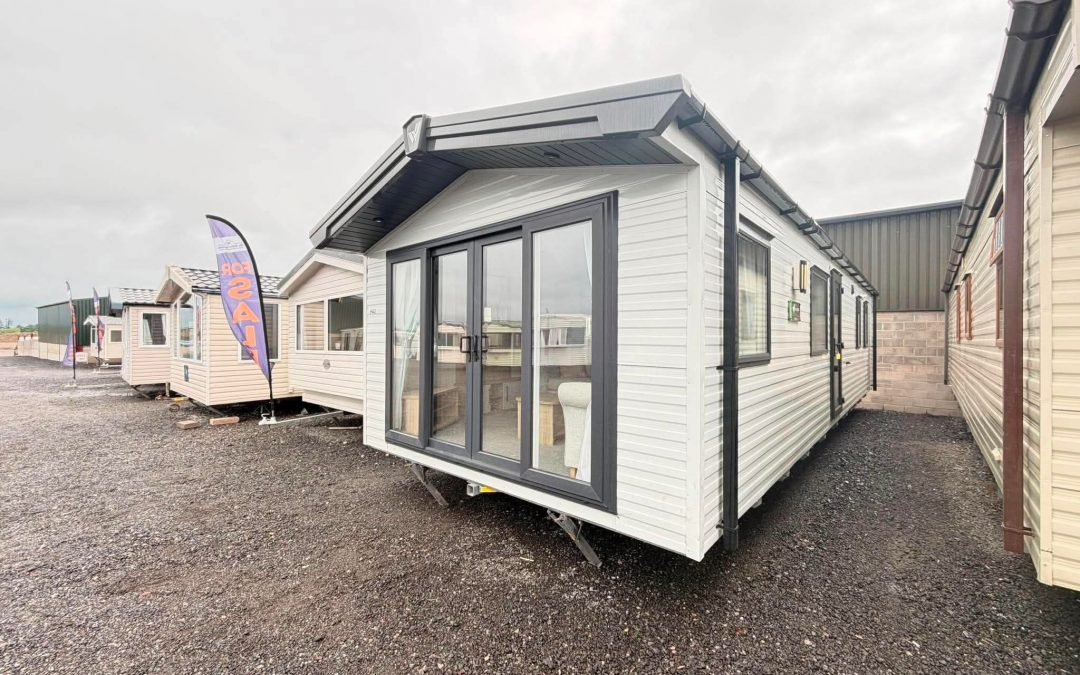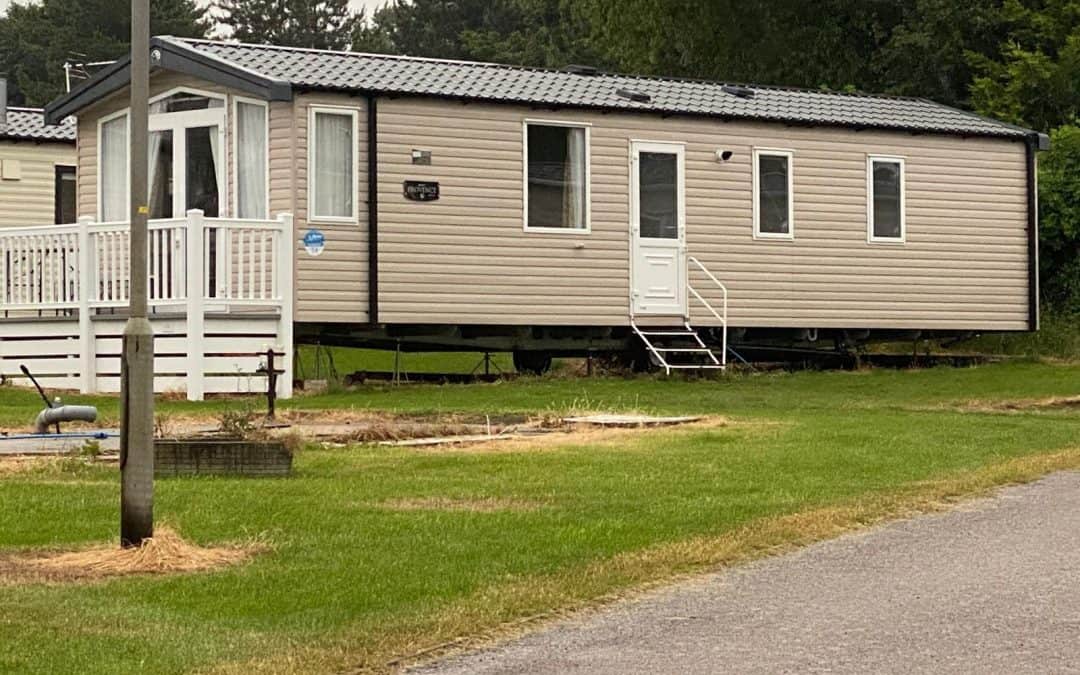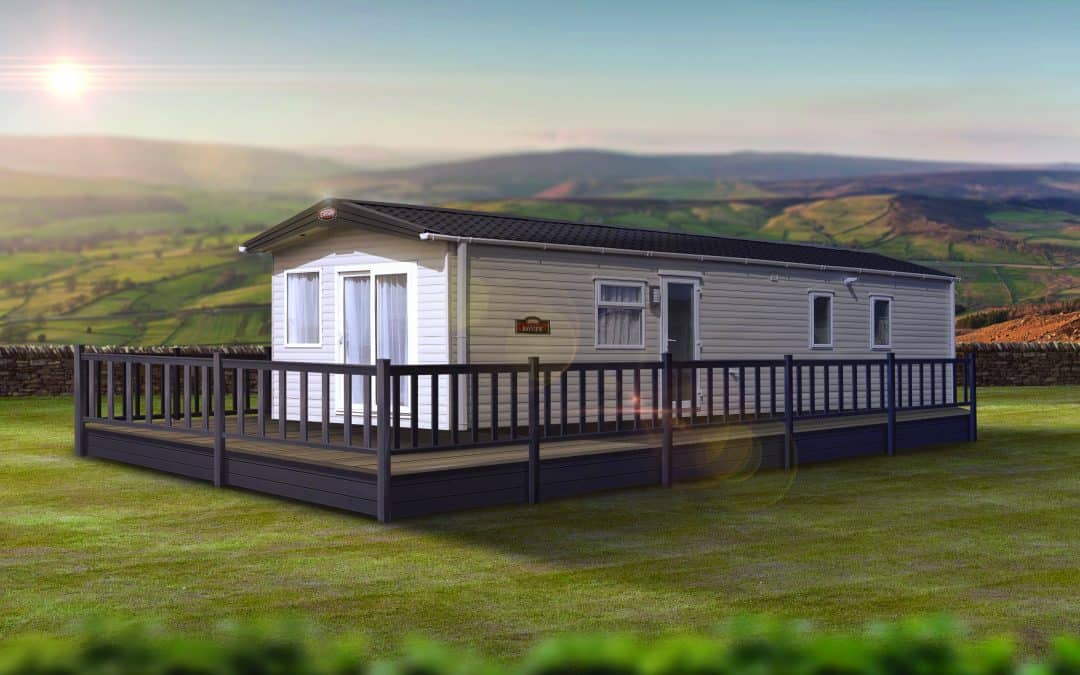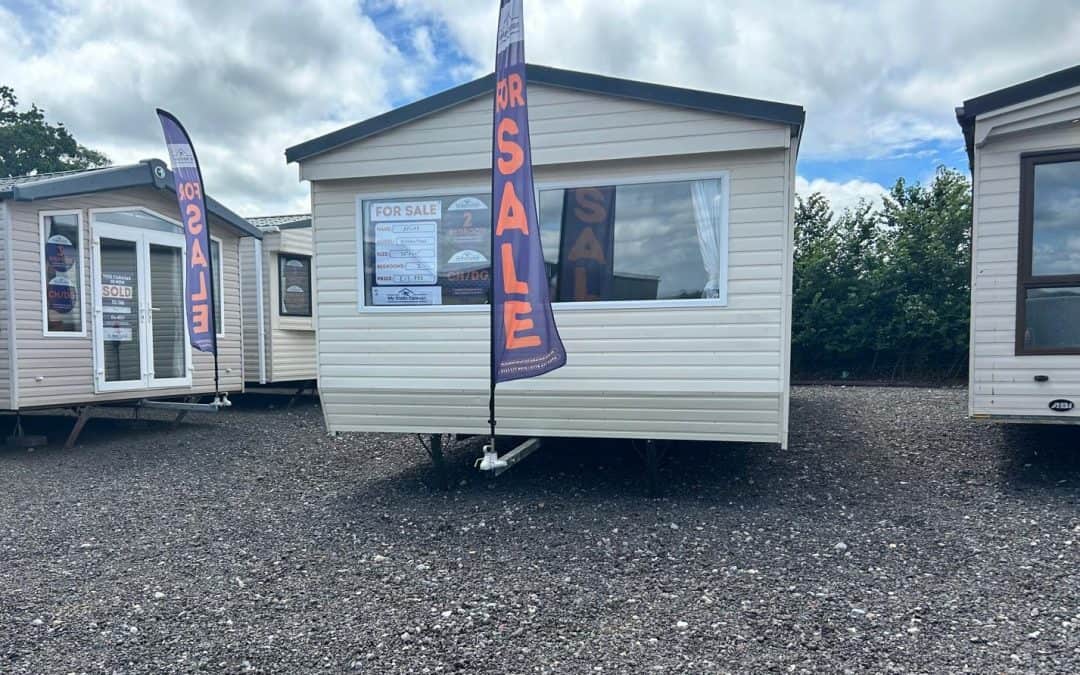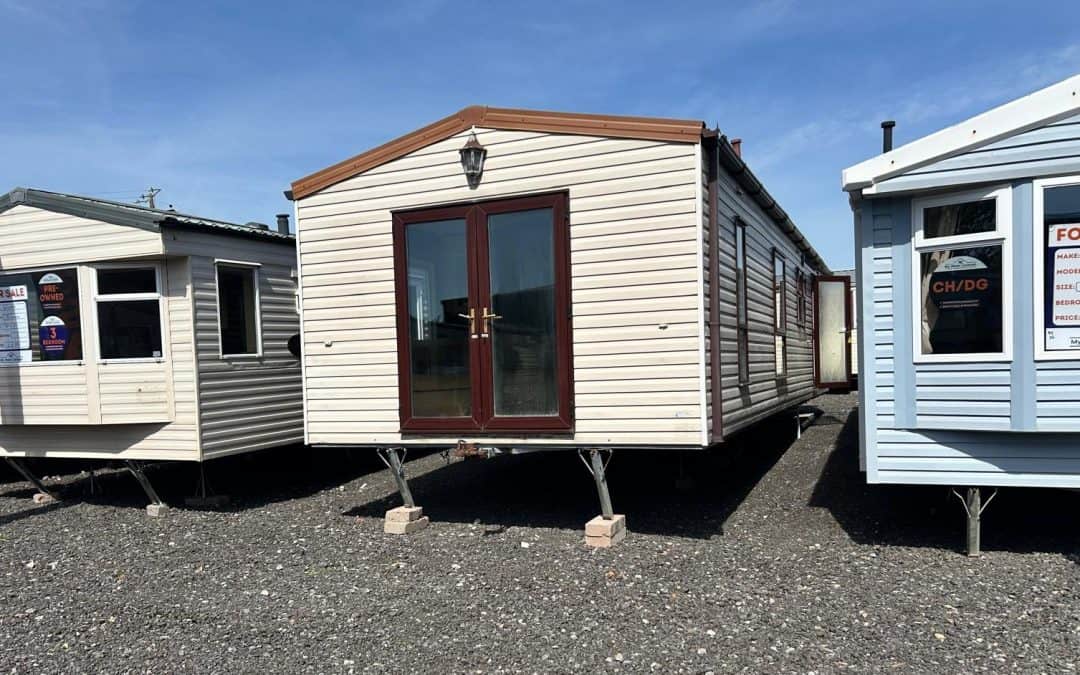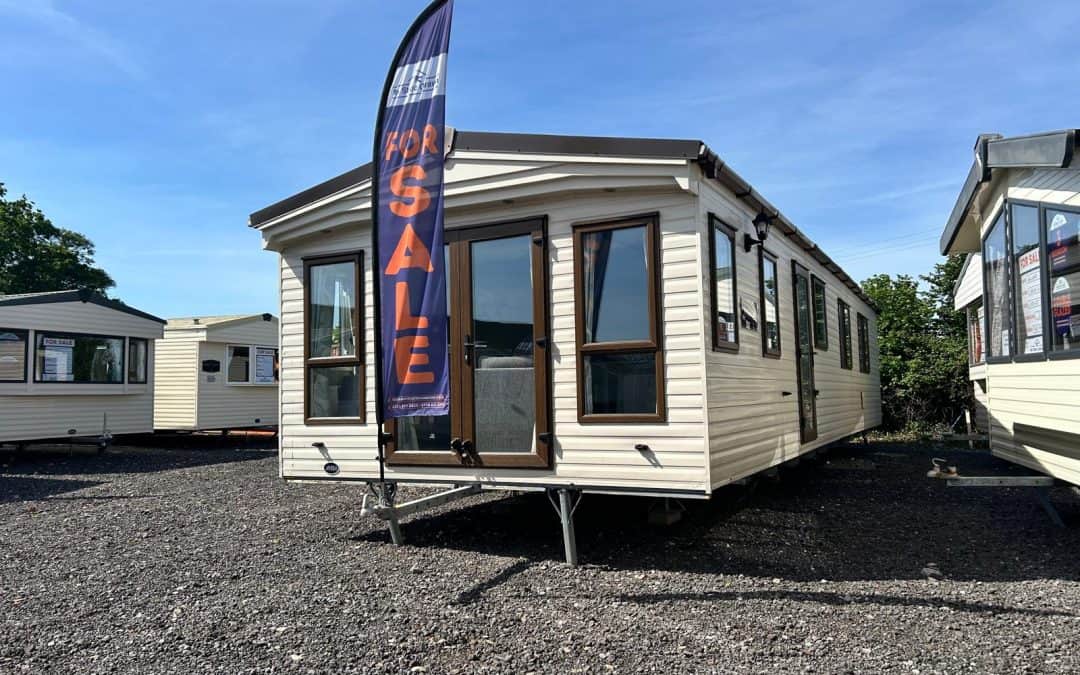
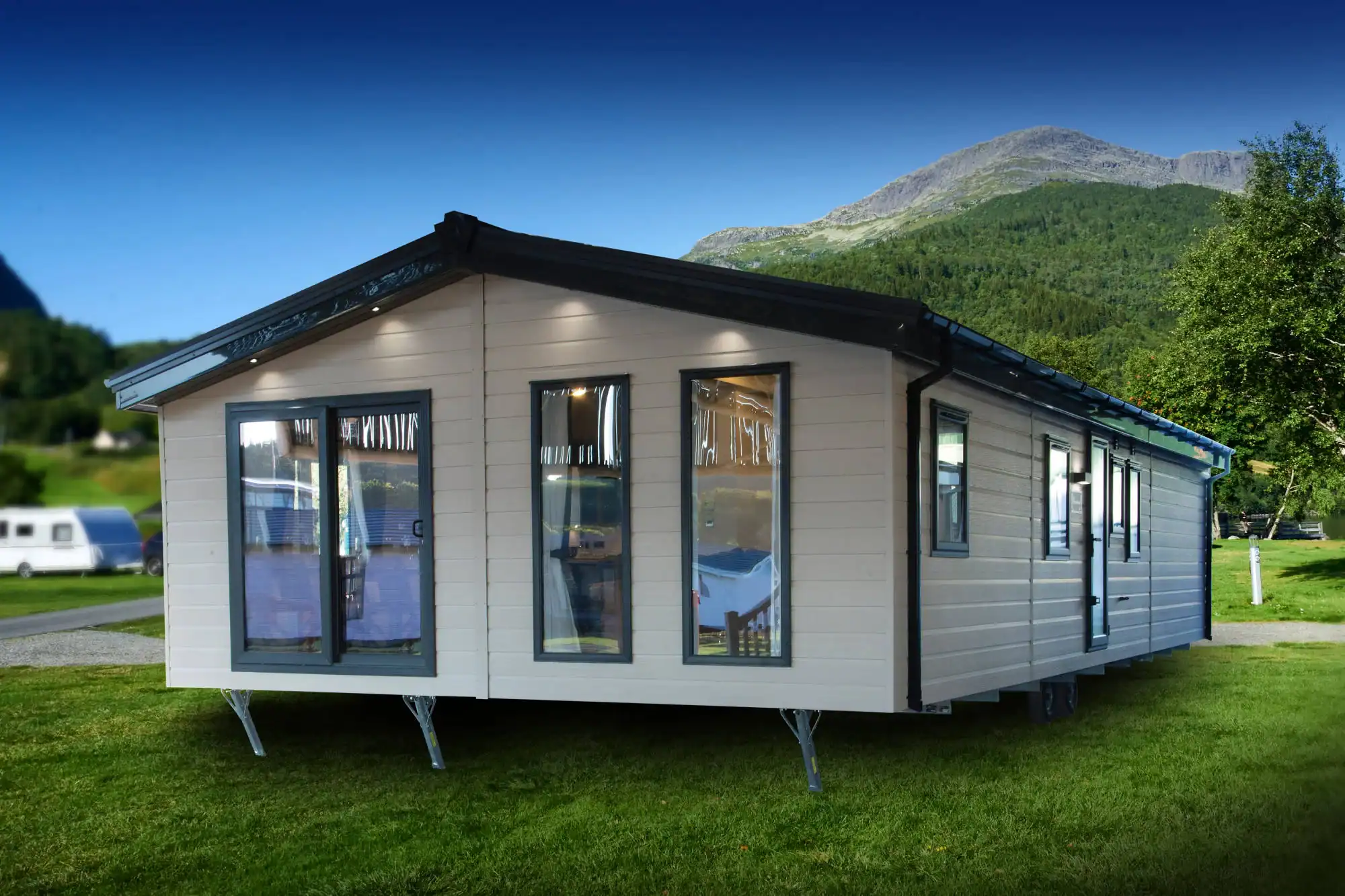
Buying a new static caravan can be an exciting step for families and individuals seeking a comfortable, ready-made holiday home. However, like any significant purchase, there are potential pitfalls to watch out for. This guide explores common issues to help you navigate the process of buying new static caravans for sale with confidence and avoid costly mistakes.
Introduction: the lure of a shiny new home on wheels
New static caravans for sale promise modern comforts, energy efficiency, and the peace of mind that comes with factory warranties. They might come with stylish interiors, updated appliances, and the latest safety features. Yet, the initial appeal can mask a range of hidden costs and considerations. Understanding these pitfalls early can save you time, money, and disappointment down the line.
Price and value: what you’re really paying for
One of the first pitfalls to consider is the total cost of ownership. The sticker price for new static caravans for sale is only part of the story. You should also factor in:
- Site fees and decking or extensions
- Insurance, annual maintenance, and service plans
- Transportation and installation charges
- VAT, commissioning costs, and potential delivery charges
- Depreciation and potential resale value
Manufacturers may offer incentives, extensions, or optional features that seem attractive but inflate the long-term cost. It’s easy to underestimate the ongoing expenses, which can put a strain on your budget after the excitement wears off.
Site compliance and park rules: more than just a spot
Buying a caravan is not just about the unit itself; the location and park can heavily influence your experience. Potential pitfalls include:
- Park rules on subletting, pets, and occupancy limits
- Hardstanding requirements and access roads
- Minimum age of the caravan on certain sites
- The process for obtaining permission from the park for siting, extraction, and connections
- Compliance with local planning restrictions and environmental regulations
Before committing, visit the site, talk to current owners, and read the park’s standard terms and conditions. Non-compliance can result in fines, the need to move the caravan, or even removal from the park.
Warranties and aftercare: gaps in coverage
A common pitfall is assuming a new caravan comes with comprehensive, hassle-free coverage. Check:
- What the manufacturer’s warranty covers and for how long
- Whether the warranty transfers if you relocate or sell
- The process for claiming repairs and any cost-sharing requirements
- What maintenance tasks are your responsibility versus the manufacturer’s
- Availability of local service networks and certified engineers
Some parts of a new static caravan may be excluded or require annual servicing to stay valid. Clarify these details in the contract to avoid surprise bills.
Build quality and delivery timing: expectations versus reality
Even with a “new” caravan, delivery timelines can slip. Pitfalls to watch for include:
- Known manufacturing defects that can appear after a short period
- Delays in production due to supply chain issues
- Final snag lists and what happens if items are missing or damaged on delivery
- The impact of incorrect site surveys or miscommunication about hookups
- The risk of hidden flaws discovered only after setup, such as insulation gaps or damp concerns
Ask for a thorough pre-delivery inspection checklist and insist on a clean, fully functional unit before handover.
Customisation and feature choices: buyer’s remorse in disguise
New static caravans for sale often offer a range of optional extras. Pitfalls here include:
- Choosing features that don’t add long-term value or return on investment
- Overlooking energy efficiency and maintenance implications of certain appliances
- Failing to assess the impact of upgrades on weight, towing limits (where applicable on certain models), and site access
- Adding to the cost without increasing comfort or resale potential
Balance desire with practicality, and request a breakdown of how each option affects price and ongoing running costs.
Resale value and future plans: thinking ahead
While a new caravan is appealing, it’s not always the best long-term investment. Consider:
- How the park’s demographics and popularity may affect future demand
- The potential for changes in park rules or ownership that could impact your use
- Depreciation patterns in your chosen model and how long you plan to keep it
- The feasibility of moving the caravan to another park or selling it privately
Having a clear exit strategy can prevent future financial tension if your plans change.
Final thoughts: making a well-informed decision
Buying new static caravans for sale can still be a wise choice when approached with a clear plan and thorough due diligence. By exploring the true total cost of ownership, understanding park rules, confirming warranties, scrutinising build quality, considering customisation implications, and planning for resale, you’ll be better prepared to enjoy a stress-free purchase.
If you’re anxious about hidden costs or complicated park agreements, consult a specialist advisor who understands the nuances of holiday home ownership. A measured approach will help you locate a new static caravan that fits your lifestyle and budget, while safeguarding against the common pitfalls that can otherwise dampen the experience.