If you own or rent a static caravan, you might wonder how council tax applies. The short answer is that council tax rules for static caravans in the UK can be complex and depend on how the caravan is used and where it is located. This post unpacks the key considerations and practical steps, with a focus on clarity for buyers and current owners exploring static caravans for sale.
What is a static caravan?
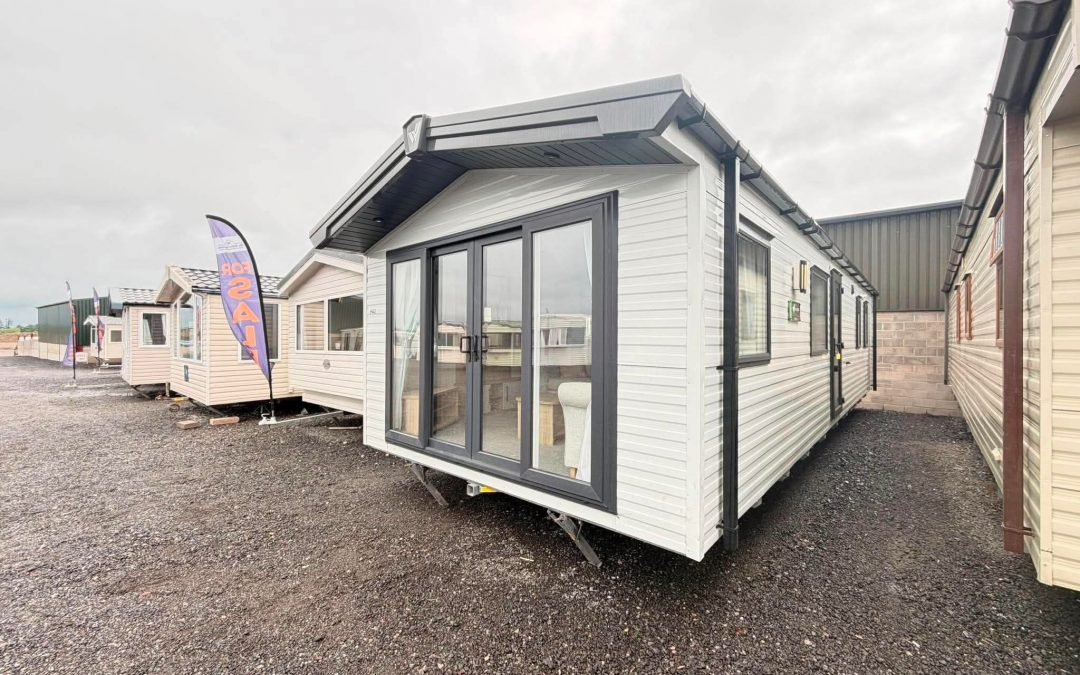
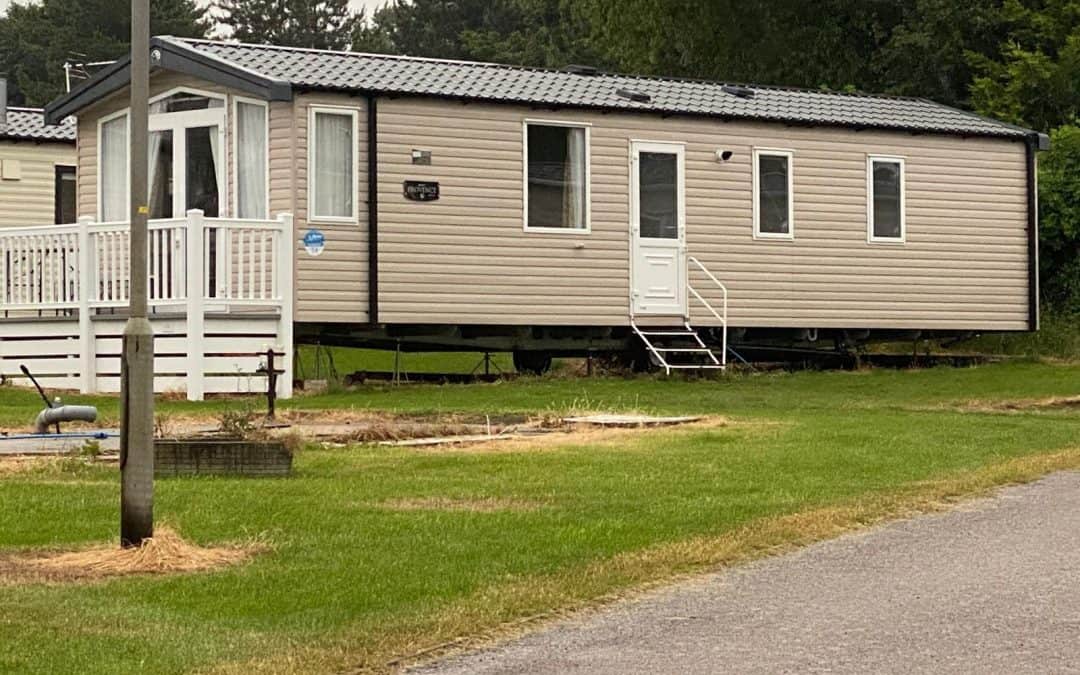
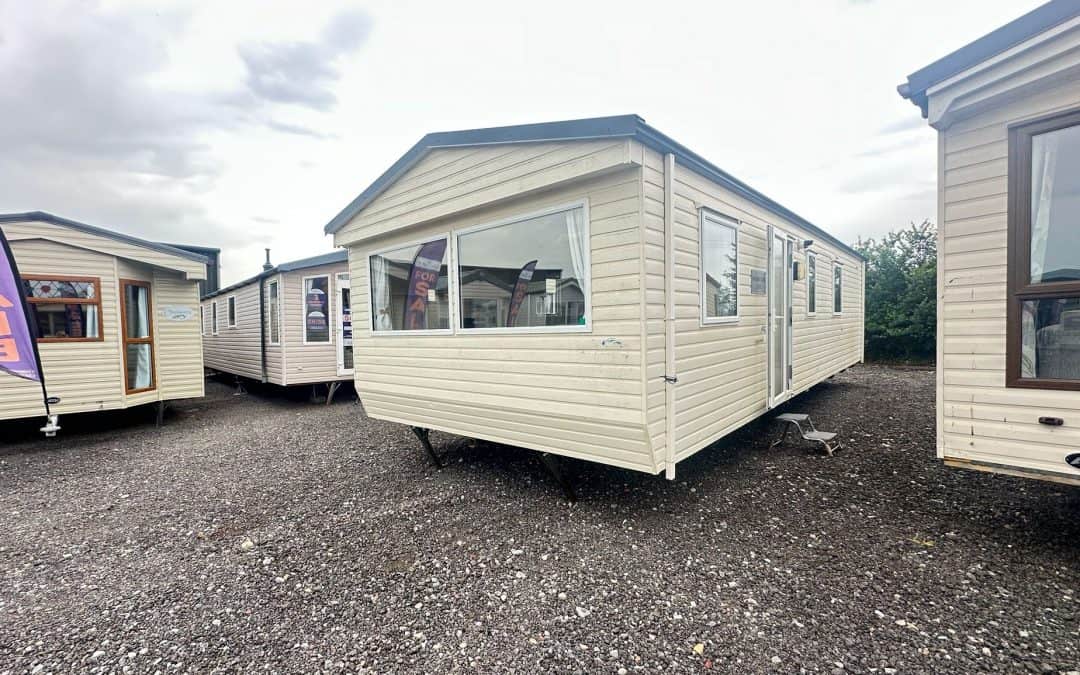
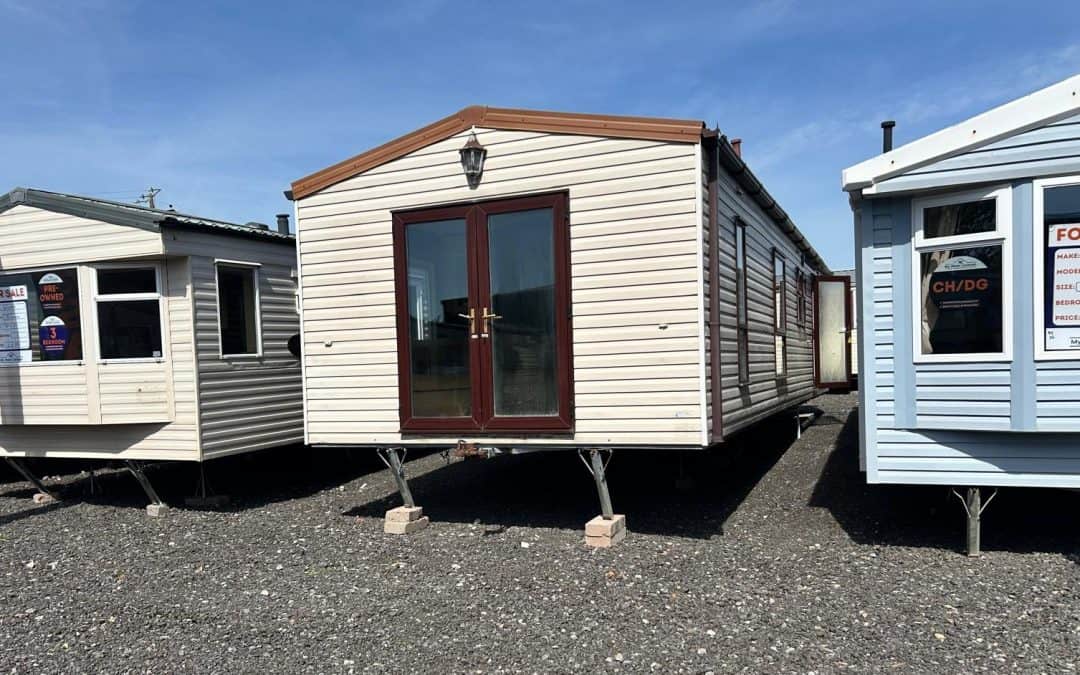
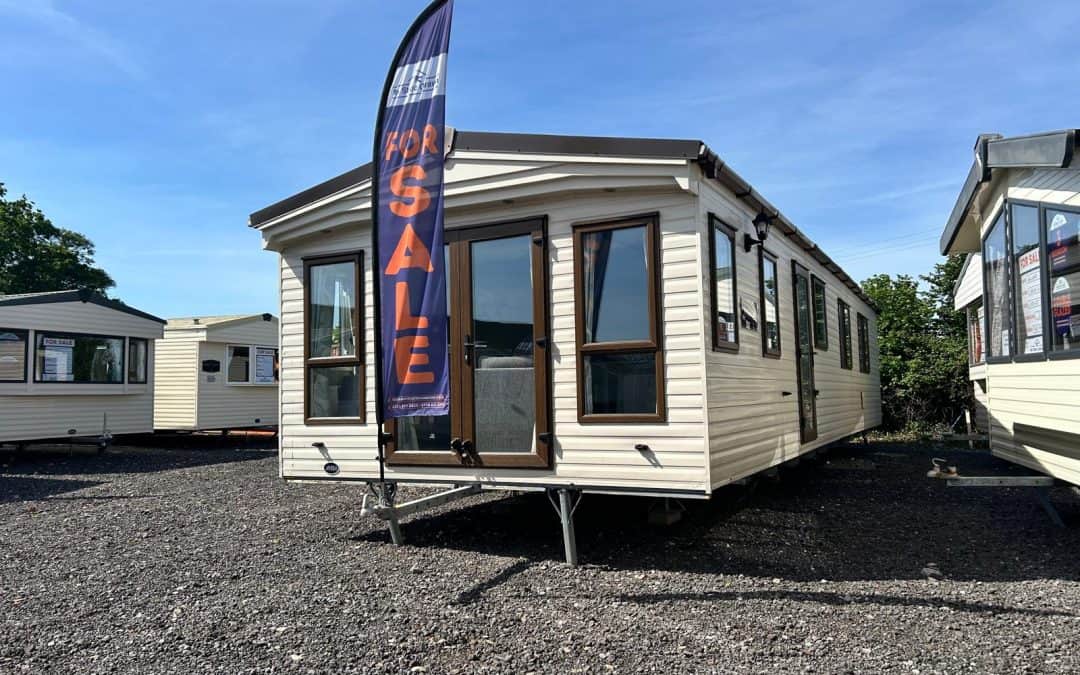
A static caravan, also known as a park home or caravan, is a prefabricated, moveable dwelling that sits on a fixed plot within a caravan park or holiday park. Unlike touring caravans, static caravans stay in one place for extended periods. This distinction matters for how the dwelling is taxed and charged for services.
How council tax could apply
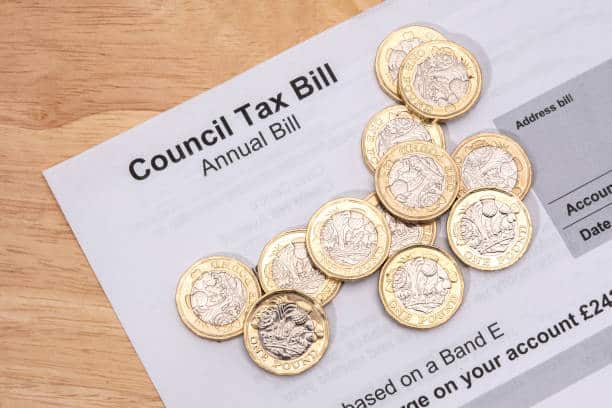
Council tax is a local tax charged by local authorities to fund services such as waste collection, schools, and roads. Whether a static caravan attracts council tax depends on several factors:
- Residence status: Is the caravan being lived in as a main home, a holiday home, or as a temporary accommodation?
- Permanence and use: Is the caravan permanently fixed to its plot, with foundations and utilities connected, or is it more like a temporary structure?
- Location: Is the caravan on land that is registered for domestic rates, or on land used for holiday accommodation?
In some cases, the caravan may be assessed for council tax if it qualifies as a dwelling. In others, it may be charged differently, or not at all, depending on local council policies and the way the park owner accounts for the site.
Council tax vs. business rates and other charges
Even if a static caravan isn’t subject to council tax, there may be other charges to consider:
- Business rates: If the caravan park is run as a business and the plot is used for business purposes (for example, a holiday park with numerous rental units), some elements could fall under business rates or non-domestic rates.
- Park home site fees: Many park home sites charge annual site fees covering maintenance, security, and amenities. These are separate from council tax and are paid to the park owner or managing company.
- Utility charges: Gas, electricity, water, and sewage are typically billed separately by the site management, regardless of tax status.
Purchasing a static caravan: what to check
If you’re looking at static caravans for sale, it’s important to understand the tax implications from the outset:
- Where is the caravan located? If it’s on a holiday park, confirm how the site classifies accommodation for tax purposes.
- Is the caravan permanently fixed? A fixed installation with foundations can influence whether it’s treated as a dwelling for tax purposes.
- What are the annual site fees? These can be substantial and may include services that would otherwise be funded through local taxes.
- Speak to the park owner or site manager: They can explain how council tax is handled for residents and what charges apply to owners.
Practical steps for buyers and owners
- Check with your local council: For definitive guidance on whether your static caravan will be liable for council tax, contact the local council’s business rates or valuation department. They can provide the specific rules applicable to your property.
- Request a valuation discussion: If your caravan is on land that could be classified as a dwelling, a valuation can determine whether it falls under council tax or another regime.
- Review the sale contract and lease terms: If you’re buying a static caravan for sale, ensure the contract clarifies who is responsible for site fees, utilities, and any tax implications.
- Consider long-term costs: Beyond initial purchase price, factor in council tax (if applicable), site fees, insurance, maintenance, and utilities when evaluating affordability.
Common myths about council tax and static caravans
- Myth: All static caravans pay council tax. Reality: It depends on use, permanence, and local policy; some may be exempt or charged differently.
- Myth: Buying a static caravan automatically lowers tax. Reality: Tax treatment varies by location and circumstance, and the presence of a caravan on a holiday park doesn’t guarantee non-domestic rates.
Final thoughts
Static caravans for sale present attractive options for holiday home living or affordable accommodation, but understanding the tax landscape is essential. Council tax eligibility hinges on how you use the property, how permanently it is fixed, and the local council’s interpretation of dwelling status. Always verify with local authorities and the park operator before finalising a purchase. This proactive approach helps you avoid unexpected charges and makes your decision about static caravans for sale more informed. If you’re exploring options, consult the park’s management about site fees and any tax considerations attached to ownership.