
Do you pay council tax in a static caravan?
Sometimes. Whether council tax applies depends on how the caravan is used, how permanently it is fixed and where it stands, so ask the local council before you buy. This guide also covers the other charges to expect.
Guides ·
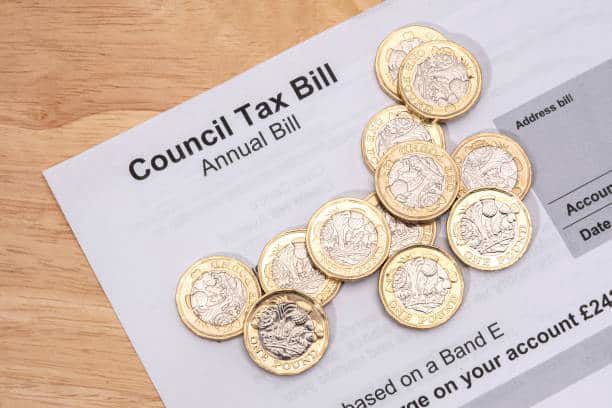
If you own or rent a static caravan, you may wonder how council tax applies. This guide explains the points that decide it, the other charges a caravan owner usually pays, and what to check before you buy.
What is a static caravan?
A static caravan is a prefabricated, movable home that usually stands on a plot on a caravan park or holiday park. Unlike a touring caravan, it stays in one place for long periods. It is not the same as a park home, which is built to be lived in all year. The difference matters for how the caravan is taxed and what you are charged for services.
How council tax could apply
Council tax is a local tax that councils charge to pay for services such as waste collection, schools and roads. Whether a static caravan attracts it depends on several things:
- How it is lived in: is the caravan someone's main home, a holiday home or temporary accommodation?
- How permanent it is: is it fixed to its plot, with a base and services connected, or is it closer to a temporary structure?
- Where it is: is it on land used for homes, or on land used for holiday accommodation?
In some cases the caravan is assessed for council tax because it counts as a dwelling. In others it may be charged differently, or not at all, depending on the council's policy and how the park owner runs the site.
Council tax, business rates and other charges
Even if a static caravan does not attract council tax, there may be other charges:
- Business rates: if the park is run as a business and the plot is used for business, as on a holiday park with many caravans let to visitors, some charges may fall under business rates.
- Site fees: many parks charge yearly site fees for maintenance, security and facilities. These are separate from council tax and are paid to the park owner or the company that manages the park.
- Utilities: gas, electricity, water and sewerage are usually billed separately by the site, whatever the tax position.
Before you buy: what to check
If you are looking at static caravans for sale, understand the tax position from the start:
- Where is the caravan? If it is on a holiday park, ask how the site is classed for tax.
- Is it fixed permanently? A caravan fixed on a permanent base can affect whether it is treated as a dwelling for tax.
- What are the yearly site fees? They can be large, and they may include services that local taxes would otherwise pay for.
- Ask the park owner or site manager. They can explain how council tax is handled for people living there and what charges owners pay.
Practical steps for buyers and owners
- Ask your local council. For a definite answer on whether your static caravan will be liable for council tax, contact the council's council tax or business rates team. They can tell you the rules that apply to your caravan.
- Ask about a valuation. If your caravan is on land that could be classed as a dwelling, a valuation can decide whether council tax or another charge applies.
- Read the sale contract and the site agreement. Make sure they say who pays the site fees, the utilities and any tax.
- Count the long-term costs. Beyond the price, allow for council tax (if it applies), site fees, insurance, maintenance and utilities when you work out what you can afford.
Common myths about council tax and static caravans
- Myth: every static caravan pays council tax. In fact, it depends on how the caravan is used, how permanent it is and the council's policy. Some are exempt or charged differently.
- Myth: buying a static caravan automatically lowers your tax. In fact, the tax position depends on where the caravan is and how it is used, and being on a holiday park does not guarantee that business rates apply instead of council tax.
In summary
A static caravan can be an attractive holiday home or an affordable place to live, but you need to understand the tax position before you buy. Whether council tax applies depends on how you use the caravan, how permanently it is fixed and how the council defines a dwelling. Always check with the council and the park operator before you complete a purchase, so there are no unexpected charges, and ask the park's management about site fees and any tax that comes with owning a caravan there.
See the static caravans we have in stock, or find quick answers in our FAQ.