The benefits of static caravans as temporary staff accommodation on site
Static caravans house staff on site for less than hotels or rented homes, cut travelling time and can move from project to project. When that work ends, most are refurbished, reused or recycled.
Guides ·
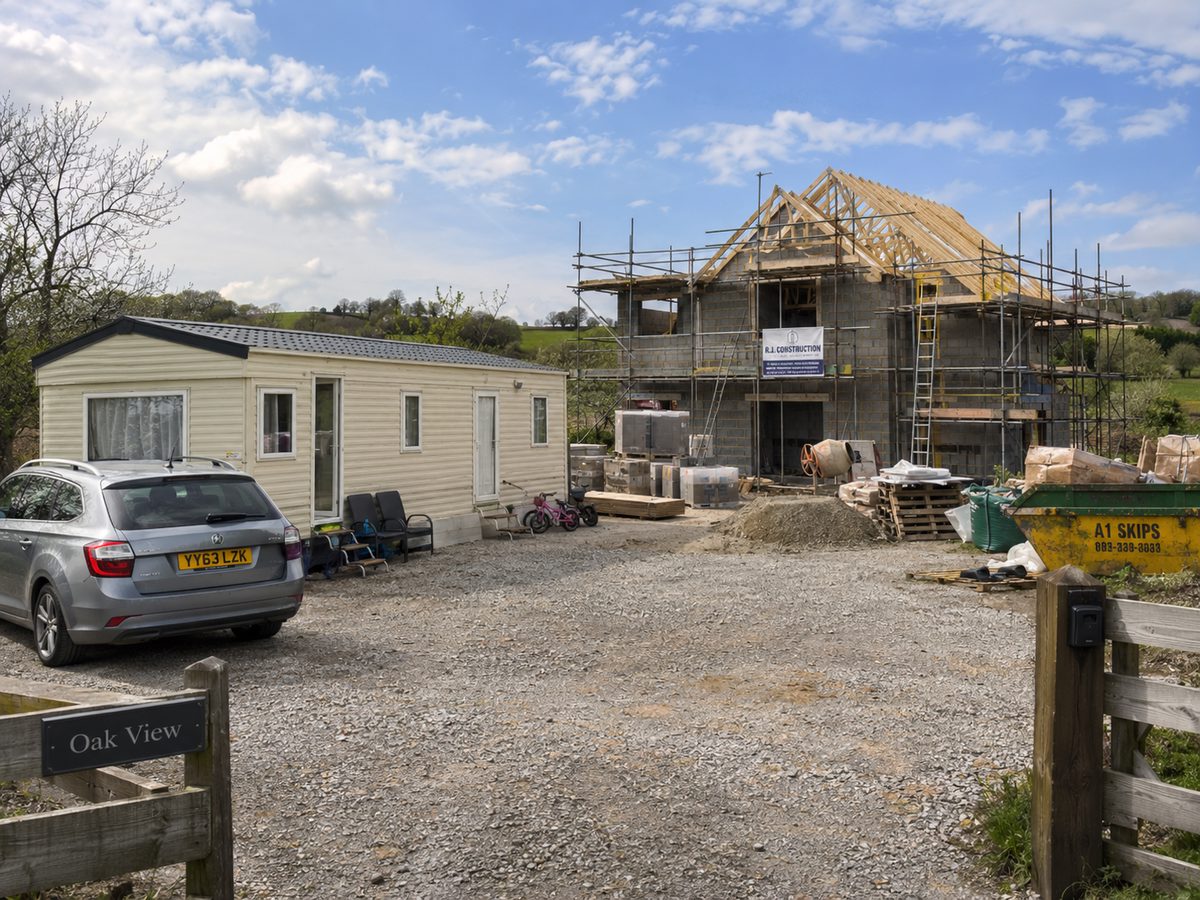
Across the UK, static caravans provide flexible, practical temporary accommodation. They house displaced families and key workers, and they support construction projects, farms and staff teams who need to live on site. This guide explains why they are such a popular choice for staff accommodation, and what happens to them once they are no longer needed.
Where static caravans are used as temporary accommodation
Local authorities, housing providers and private organisations use static caravans for:
- emergency and temporary housing
- staff accommodation on site
- construction and infrastructure projects
- farm and seasonal work
- remote locations that are hard to reach
They are rarely meant to be permanent homes, but they are a fast, adaptable answer when ordinary housing is not available or not practical.
Why businesses use static caravans for staff on site
Housing staff on site is one of the fastest-growing uses of static caravans in the UK, and businesses in many industries choose them for the same reasons.
Living on site
Staff who live on site spend less time travelling and are available when they are needed. That is especially useful on construction projects, at remote sites, on emergency contracts and for seasonal work.
A lower cost
Static caravans cost less than hotels or rented properties, particularly for long stays or large teams. A caravan can also be reused on one project after another, which makes it a sound long-term investment.
Comfortable, fully equipped space
A modern static caravan can have heating, insulation, a kitchen, a bathroom, bedrooms and a lounge, so staff have somewhere comfortable to rest after work.
Flexible and movable
A static caravan can be moved between sites, which suits businesses whose locations change or whose projects run in phases.
Better welfare and productivity
Secure, private accommodation helps staff rest properly, which improves morale, productivity and safety on site.
Quick to set up
A static caravan can be delivered and sited much faster than temporary housing can be built, which makes it ideal when accommodation is needed urgently. Water, drainage, electricity and gas must be connected by a qualified specialist for safety, so allow time to arrange that too. Our delivery and siting page explains what delivery includes and what it does not.
What happens to static caravans after temporary use
When a static caravan finishes its time as temporary accommodation, it is rarely the end of its useful life. What happens next depends on its condition, its age and whether it meets current standards.
Checking its condition
Once it comes out of service, a caravan is checked for:
- the soundness of the chassis, walls and roof
- damp, wear and deterioration from year-round use
- the electrical and plumbing systems
- whether it meets current safety and habitation regulations
Caravans used as temporary accommodation wear faster than holiday caravans, but many are still structurally sound.
Refurbishment, moving and further use
Where it is worth doing, refurbishment can add years to a caravan's life. It may include:
- new flooring, kitchens, bathrooms and furnishings
- better insulation and heating
- updated electrics and plumbing
- a changed layout, for comfort or for accessibility
A refurbished caravan may be used as temporary accommodation somewhere else, used for staff housing, sold to a private landowner, or offered as a lower-cost alternative to a new static caravan. For many projects, a refurbished caravan is very good value.
Recycling and responsible disposal
When refurbishment is no longer practical, the caravan must be taken apart responsibly, in line with environmental and waste regulations.
Metal frames, appliances and fittings are often salvaged and recycled, which keeps waste out of landfill. Taking a caravan apart properly also leaves the site clear and safe for its next use.
Other uses
Some static caravans find a new purpose beyond accommodation, including:
- site offices or welfare units
- storage
- workshops or studios
- community or charity projects
These uses keep a caravan working even when it no longer meets the standards for living in.
The continuing demand for new static caravans
While older caravans are refurbished or retired, demand for new static caravans stays strong. New models offer:
- better energy efficiency
- modern layouts suited to living in all year
- lower maintenance
- compliance with current safety and building regulations
Many organisations replace older caravans with new ones, often through a trade-in or replacement scheme to manage the cost.
Environmental and regulatory points
Static caravans used as temporary accommodation are more closely regulated than holiday caravans. Any decision to reuse, refurbish or dispose of one should take account of:
- the local authority's planning requirements
- waste and recycling regulations
- energy performance and long-term running costs
Planning ahead keeps you within the rules and reduces the impact on the environment.
In summary
Static caravans remain a reliable, adaptable choice for temporary accommodation and staff housing on site across the UK. When their first job ends, they are usually refurbished, moved, put to a new use or recycled responsibly rather than thrown away.
At the same time, new static caravans let councils, housing providers and businesses meet modern standards and growing demand. Balancing reuse with new caravans keeps costs under control while giving people safe, comfortable places to live.
See the static caravans we have in stock, or ring us on 0333 577 0020 if you need accommodation for a team.