
What to consider when buying a new static caravan for a holiday park
The main pitfalls of buying a new static caravan are costs beyond the price, park rules, gaps in the warranty, faults found on delivery, extras that add little, and resale value. This guide explains how to avoid each one.
Guides ·
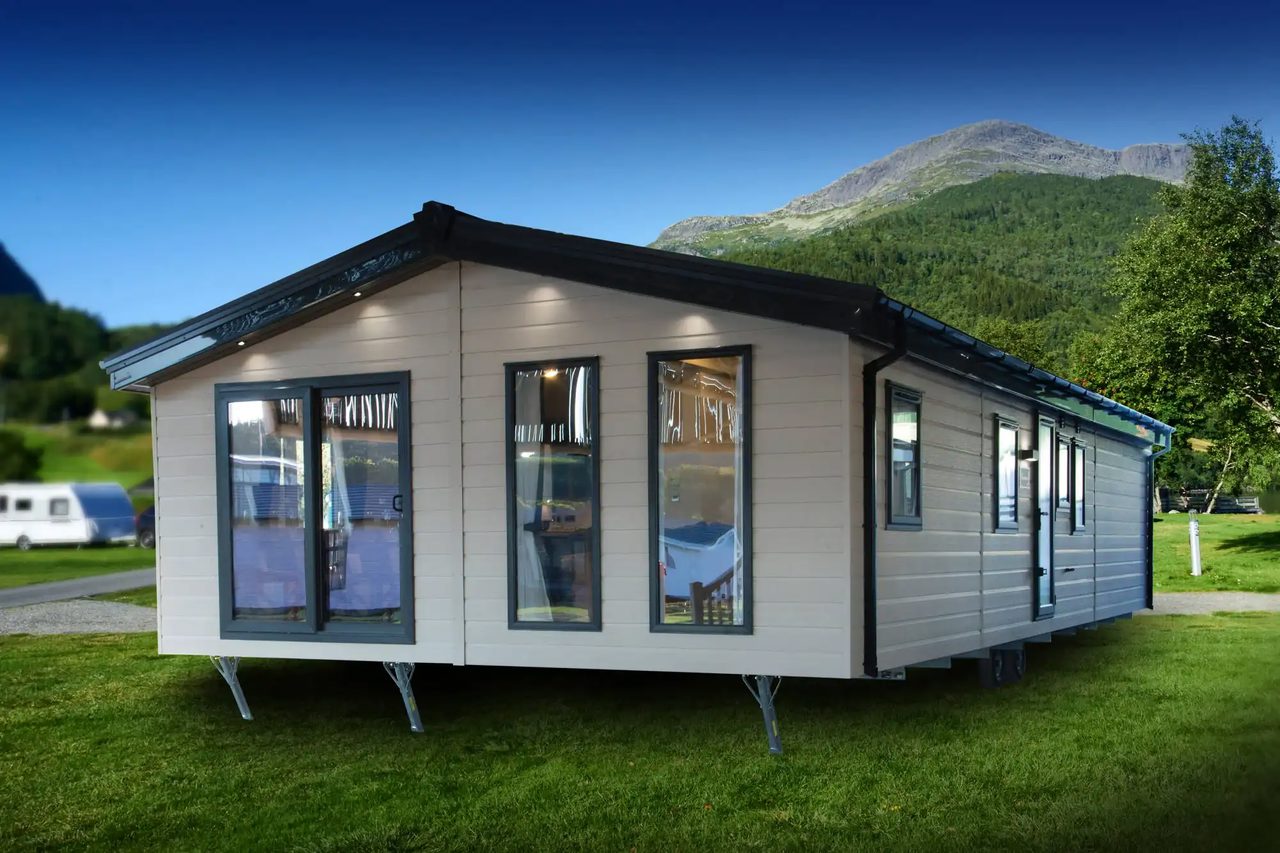
Buying a new static caravan can be an exciting step for anyone who wants a comfortable, ready-made holiday home. Like any large purchase, though, it has pitfalls, and this guide explains each one so you can buy with confidence and avoid costly mistakes.
The appeal of a new caravan
A new static caravan promises modern comforts, energy efficiency and the peace of mind of a manufacturer's warranty. It may have a stylish interior, new appliances and the latest safety features. That first appeal can hide costs and other things to consider, and understanding them early saves time, money and disappointment later.
Price and value: what you are really paying for
The first pitfall is the total cost of ownership. The price of a new static caravan is only part of the story. Also allow for:
- site fees, and any decking or extensions
- insurance, yearly maintenance and service plans
- transport and siting charges
- VAT, the cost of connecting services, and any delivery charges
- depreciation and the caravan's likely resale value
Manufacturers may offer incentives, extensions or optional features that look attractive but add to the long-term cost. Running costs are often underestimated, and they can strain your budget once the excitement wears off.
Park rules and site requirements
Buying a caravan is not only about the caravan: the park has a large effect on your experience. Pitfalls include:
- park rules on subletting, pets and how many people may stay
- what the park requires for the base and the access roads
- rules on the age of caravans allowed on some parks
- how the park gives permission for siting, removal and connecting services
- local planning restrictions and environmental regulations
Before you commit, visit the park, talk to people who already own caravans there, and read the park's terms and conditions. Breaking the rules can lead to fines, having to move the caravan, or being asked to leave the park.
Warranties and support after you buy: gaps in the cover
A common pitfall is assuming that a new caravan comes with complete, trouble-free cover. Check:
- what the manufacturer's warranty covers, and for how long
- whether the warranty still applies if you move the caravan or sell it
- how to claim for repairs, and whether you pay part of the cost
- which maintenance is your responsibility and which is the manufacturer's
- whether there are approved engineers near the park
Some parts of a new static caravan may be excluded from the warranty, or need servicing every year to keep it valid. Make sure the contract is clear on this, to avoid unexpected bills.
Build quality and delivery: what you expect and what you get
Even with a new caravan, delivery dates can slip. Pitfalls include:
- known manufacturing faults that can appear after a short time
- production delays caused by problems in the supply chain
- the final snagging list, and what happens if anything is missing or damaged on delivery
- an inaccurate site survey, or a misunderstanding about connecting the services
- faults that only show once the caravan is sited, such as gaps in the insulation or damp
Ask for a thorough checklist for the inspection before delivery, and insist on a clean caravan in full working order before you accept it. Connecting gas, electricity, water and drainage must be done by a qualified specialist for safety, so arrange that in good time. Our delivery and siting page explains what our delivery includes.
Optional extras: regret in disguise
New static caravans often come with a range of optional extras. Pitfalls here include:
- choosing features that add no long-term value
- overlooking how much an appliance costs to run and maintain
- not checking how an upgrade affects the caravan's weight, its towing limits on models where they apply, and access to the site
- adding cost without adding comfort or resale value
Balance what you would like with what is practical, and ask for a breakdown of how each option affects the price and the running costs.
Resale value and future plans
A new caravan is appealing, but it is not always the best long-term investment. Consider:
- how the park's popularity, and the people it attracts, may affect demand in future
- whether the park's rules or owner could change in ways that affect how you use the caravan
- how your chosen model loses value, and how long you plan to keep it
- whether you could move the caravan to another park, or sell it privately
A clear plan for when you sell avoids money worries if your plans change.
Making a well-informed decision
A new static caravan can still be a wise choice if you approach it with a clear plan and check everything carefully. If you understand the full cost of owning it, the park's rules, the warranty, the build quality, the effect of any extras and the resale value, you will be ready to enjoy a stress-free purchase.
If hidden costs or a complicated park agreement worry you, ask a specialist adviser who understands holiday home ownership. Taking it step by step will help you find a new static caravan that suits your way of life and your budget, without the pitfalls that can spoil the experience.
See the static caravans we have in stock, or read our buyer's guides.